
Is Your Cold Room Causing Mold Issues In Your Home?
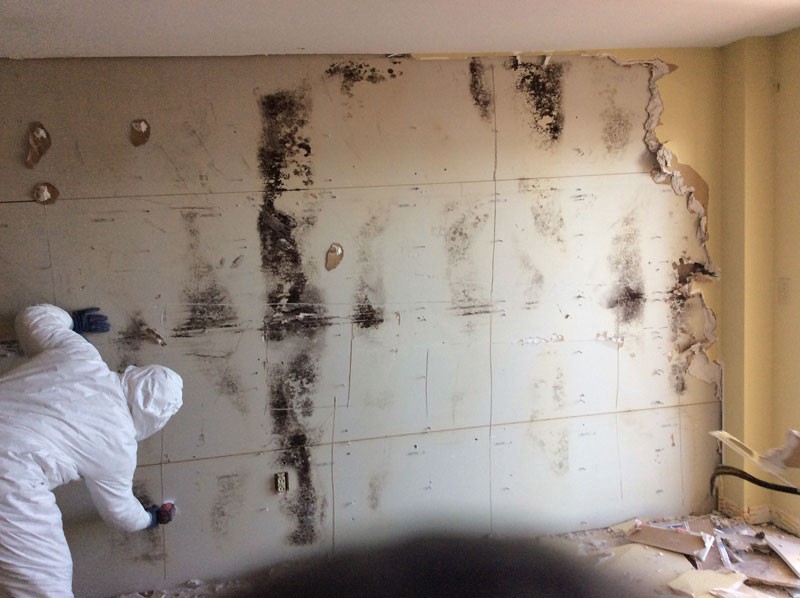
If you’re an Ottawa homeowner with a cold room, you might be sitting on a hidden mold problem without even knowing it. These underground storage spaces, common in homes built before the 1980s throughout the National Capital Region, were designed to keep food cool before refrigeration became widespread. Today, they’re often forgotten spaces that create the perfect breeding ground for mold growth. With Ottawa’s harsh winters, humid summers, and fluctuating temperatures, cold rooms face unique challenges that can lead to serious mold issues affecting your entire home.
Understanding the connection between your cold room and potential mold problems is crucial for protecting your property and your family’s health. Let’s explore why these spaces are so susceptible to mold, what warning signs to watch for, and how to address the problem before it spreads throughout your basement and beyond.
Why Ottawa Cold Rooms Are Particularly Prone to Mold Growth
Cold rooms in Ottawa homes face a perfect storm of conditions that encourage mold development. Unlike finished basement areas, cold rooms are typically left uninsulated and unheated, creating dramatic temperature differences between the cold room and adjacent spaces.
The Science Behind Cold Room Mold
Mold thrives in environments with three key ingredients: moisture, organic materials, and temperatures between 40°F and 100°F. Your cold room likely checks all these boxes. Here’s why:
Temperature Fluctuations and Condensation
Ottawa’s extreme seasonal temperature swings create significant condensation issues in cold rooms. During winter, when outdoor temperatures plummet to -20°C or colder, the exterior walls of your cold room become extremely cold. When warmer, moisture-laden air from your heated basement meets these cold surfaces, condensation forms immediately. This process is exacerbated during Ottawa’s humid summer months when warm air infiltrates the space, creating continuous moisture problems.
Poor Ventilation
Most cold rooms were never designed with proper air circulation in mind. The lack of ventilation means that any moisture that enters the space has nowhere to go. This stagnant air becomes increasingly humid over time, especially in Ottawa’s climate where we experience high humidity levels during spring thaw and summer months.
Hidden Water Intrusion
Cold rooms often share walls with the foundation, making them vulnerable to:
- Groundwater seepage during Ottawa’s spring melt
- Cracks in foundation walls from freeze-thaw cycles
- Poor exterior drainage directing water toward the foundation
- High water table issues common in certain Ottawa neighborhoods near the Ottawa River
Organic Materials Everywhere
Cold rooms typically have exposed wooden shelving, cardboard boxes, paper goods, and other organic materials that mold feeds on. Even the dust and dirt that accumulate provide nutrients for mold colonies to establish and spread.
Warning Signs of Mold in Your Cold Room
Catching basement mold early can save you thousands in remediation costs and protect your family’s health. Many Ottawa homeowners don’t discover their cold room mold problem until it has already spread to adjacent areas or caused noticeable health symptoms.
Visual Indicators
Visible Mold Growth
Check for:
- Black, green, white, or orange patches on walls, ceilings, or shelving
- Fuzzy or slimy texture on surfaces
- Discoloration spreading across concrete or wood
- Staining patterns that indicate water damage
Water Damage Signs
Look for evidence of moisture problems:
- Efflorescence (white, chalky deposits) on concrete walls
- Peeling paint or deteriorating drywall
- Rust on metal shelving or hardware
- Warped wooden shelves or door frames
- Puddles or damp spots on the floor
Sensory Clues
Musty Odors
A persistent musty, earthy smell is often the first sign of mold growth. This odor is caused by microbial volatile organic compounds (MVOCs) released by mold colonies. If your basement smells musty, especially near the cold room door, you likely have a mold problem developing.
Physical Symptoms
Pay attention if family members experience:
- Increased allergy symptoms when spending time in the basement
- Respiratory irritation or coughing
- Headaches or fatigue after being downstairs
- Worsening asthma symptoms
Moisture Level Testing
For Ottawa homeowners serious about prevention, investing in a hygrometer to measure humidity levels is wise. Cold rooms should maintain relative humidity below 60%. Levels consistently above 60% indicate conditions favorable for mold growth and suggest you need intervention before visible mold appears.
How to Prevent and Eliminate Mold in Your Cold Room
Prevention is always more cost-effective than remediation. Here’s a comprehensive approach to keeping your Ottawa cold room mold-free.
Improve Ventilation and Air Circulation
Install Proper Ventilation
Consider adding:
- A small exhaust fan vented to the exterior (ensure compliance with Ontario Building Code requirements)
- Passive ventilation through exterior vents
- A dehumidifier designed for cold, damp spaces
Enhance Air Movement
Even simple changes help:
- Keep the cold room door open periodically to allow air exchange
- Use a small fan to circulate air when weather permits
- Avoid overstocking the room, which blocks airflow
Control Moisture Sources
Address Water Intrusion
Take these critical steps:
- Inspect foundation walls for cracks and seal them professionally
- Ensure proper grading around your home’s exterior directs water away from the foundation
- Install or repair eavestroughs and downspouts to manage roof runoff
- Consider exterior waterproofing if you’re in a high water table area
- Install a sump pump if groundwater is a persistent issue
Manage Interior Humidity
Reduce moisture creation:
- Run a dehumidifier in your basement, especially during humid Ottawa summers
- Ensure your basement has adequate heating to prevent cold surfaces
- Fix any plumbing leaks immediately
- Insulate cold water pipes to prevent condensation
Clean and Maintain the Space
Regular Cleaning Schedule
Implement these practices:
- Clean the cold room at least twice yearly
- Remove dust, cobwebs, and debris that can harbor mold
- Inspect stored items and discard anything showing signs of mold or water damage
- Use storage solutions that promote airflow (wire shelving instead of solid wood)
- Store items in plastic bins rather than cardboard boxes
Monitor and Test
Stay proactive:
- Check your cold room monthly for signs of moisture or mold
- Consider professional mold testing if you suspect hidden growth
- Document any changes with photos to track developing issues
Structural Improvements
For persistent problems, more extensive solutions may be necessary:
- Professional structural drying if water damage has occurred
- Installing a vapor barrier on foundation walls
- Adding insulation (consult a professional, as improper insulation can worsen condensation)
- Upgrading drainage systems around your property
When to Call a Professional Mold Testing Company
While small mold spots can sometimes be cleaned with household solutions, significant mold problems require professional intervention. DIY mold removal often fails to address the root cause and can actually spread spores throughout your home.
Situations Requiring Professional Help
Contact a restoration company immediately if:
Extensive Growth
- Mold covers more than 10 square feet
- Mold is visible in multiple locations
- You can see mold growing inside walls or behind materials
Health Concerns
- Family members have persistent respiratory symptoms
- Anyone in your home has compromised immunity or asthma
- The musty smell is strong throughout your basement
Unknown Extent
- You smell mold but can’t locate the source
- There’s been significant water damage or flooding
- You suspect mold behind walls or in HVAC systems
Recurring Problems
- Mold keeps returning despite cleaning efforts
- Moisture issues persist despite your prevention efforts
- You’ve had previous water damage that wasn’t properly dried
The Professional Advantage
Working with an experienced restoration company in Ottawa provides several benefits:
Proper Assessment
Professional mold testing companies use advanced tools to:
- Identify all affected areas, including hidden mold
- Determine the specific type of mold present
- Assess the extent of water damage and necessary structural drying
- Create a comprehensive remediation plan
Effective Remediation
Professionals provide:
- Complete mold removal using industry-standard protocols
- Proper containment to prevent spore spread during removal
- HEPA filtration and air scrubbing
- Thorough structural drying to eliminate moisture sources
- Post-remediation verification testing
Long-Term Solutions
Beyond just removing visible mold, experienced professionals:
- Identify and address the root causes of moisture problems
- Recommend structural improvements specific to Ottawa’s climate
- Provide documentation for insurance claims if applicable
- Offer warranties on their remediation work
Choosing the Right Ottawa Restoration Company
When selecting a mold remediation partner, look for:
- Over 15 years of experience dealing with Ottawa’s unique climate challenges
- Comprehensive services including water damage restoration, structural drying, and mold removal
- Proper certifications and insurance
- Clear communication and transparent pricing
- Local knowledge of Ottawa building codes and common regional issues
At Restoration Mate, we’ve helped countless Ottawa homeowners reclaim their cold rooms and basements from mold problems. Our team understands the specific challenges that Ottawa’s weather presents and has the expertise to not only remove existing mold but prevent future growth through proper structural drying and moisture control strategies.
Take Action to Protect Your Home
Your cold room doesn’t have to be a source of mold problems. Whether you’re dealing with visible mold growth, persistent musty odors, or simply want to prevent issues before they start, taking action now protects your property value and your family’s health.
Start by conducting a thorough inspection of your cold room this week. Look for the warning signs we’ve discussed, check humidity levels, and assess whether you have adequate ventilation and moisture control. For minor issues caught early, improving ventilation and reducing moisture sources may be sufficient.
However, if you discover significant mold growth, experience recurring moisture problems, or simply want professional peace of mind, don’t hesitate to contact an experienced restoration company. With over 15 years serving the Ottawa area, Restoration Mate has the expertise and equipment to assess your cold room, eliminate existing mold, and implement solutions that prevent future problems.
Remember, basement mold issues rarely improve on their own and typically worsen over time. The longer you wait, the more extensive (and expensive) the remediation becomes. Early intervention with proper mold testing and professional structural drying when needed saves both money and stress in the long run.
Contact Restoration Mate today for a professional assessment of your cold room and basement. We’ll help you determine the best course of action and provide solutions tailored to your home’s specific needs and Ottawa’s challenging climate.



Leave a Reply
Want to join the discussion?Feel free to contribute!